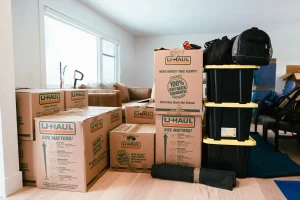
You’ve priced the truck rental, counted your friends who might help, and still wondered whether hiring professionals is actually worth it. That question, are residential movers worth it, is one we hear constantly. The honest answer depends on your situation, but there are clear patterns that make the math tip one way or the other. This post walks through every factor so you can decide without guessing.
- What You Actually Pay For
- The Real Cost of DIY Moving
- When Residential Movers Are Worth Every Dollar
- What Full-Service Options Include
- How to Get the Most Value From Your Move
- Frequently Asked Questions
What You Actually Pay For
When you book residential movers, you are not just paying for muscle. You are paying for a trained crew that knows how to protect floors, wrap furniture, disassemble and reassemble beds, and load a truck so nothing shifts in transit. That expertise is built from moving dozens of homes a month, not once every few years like most people.
Professional movers also carry liability coverage and cargo insurance. If a bookshelf gets damaged during a DIY move, the cost comes out of your pocket. With a licensed moving company, there is a clear process for claims. You are paying for accountability as much as labor.
Time is the other line item people underestimate. A crew of three experienced movers can load a two-bedroom apartment in two hours. The same job done by two untrained helpers often takes five or six, which means more hours on the rental truck and more wear on everyone involved. Speed and efficiency are part of what you are purchasing.
The Real Cost of DIY Moving
DIY moving looks cheaper on paper. Truck rental, fuel, moving blankets, and dolly fees typically run between $200 and $500 for a local move. But that figure rarely captures everything. Boxes and packing tape add up. Pizza and beer for helpers is a social contract, not optional. And if someone tweaks their back carrying your couch, the friendship cost is real even if the medical cost is not yours.
Damaged items are the hidden expense that catches most DIY movers off guard. Cracked TVs, scratched hardwood floors, and broken antiques can easily cost more than the professional move would have. Renters and homeowners insurance sometimes covers moving damage, but policies vary widely and claims can affect your premiums.
There is also the physical cost. Moving is genuinely hard labor. Doing it yourself after a full week of work, and then spending the next two days sore, has a recovery cost that does not show up on any receipt. When people ask whether residential movers are worth it, this is the category they most often fail to count.
When Residential Movers Are Worth Every Dollar
Some moves are straightforward candidates for professional help. Long-distance relocations are at the top of that list. Coordinating a multi-day drive, fuel stops, and safe overnight storage while also managing work and family is a significant logistical challenge. Long distance movers handle the logistics and the liability while you focus on everything else the move requires.
Large or specialty items change the math too. A grand piano, a gun safe, or a sectional sofa that only fits through the house one specific way each requires equipment and technique that most people simply do not have. Attempting those moves without proper tools risks injury and damage. Our piano movers and furniture movers train specifically for those situations.
Seniors moving to a smaller home or assisted living often benefit most from professional movers. The physical demands alone make DIY impractical, and the emotional weight of the transition is enough without adding logistical stress. Our senior moving services are designed with that in mind, offering patient, careful handling from start to finish.
What Full-Service Options Include
Many people think of movers as a crew that shows up, loads boxes, and leaves. Full-service moving goes much further. When you book full service movers, the team handles packing, wrapping, loading, transport, unloading, and placement. You direct, they execute.
Packing is one of the most time-consuming parts of any move, and it is the stage where most damage happens. Professional packing services use the right materials and techniques for each item type. Dishes get cell packs. Artwork gets mirror boxes. Electronics get anti-static wrap. The difference in how items arrive at the other end is noticeable.
Assembly and disassembly is another piece most people overlook until they are standing in an empty apartment at 11 p.m. with an Allen key and a bed frame in twenty pieces. Our furniture assembly service means your beds are built and your furniture is placed before the crew leaves. You sleep in your home that night, not on the floor.
How to Get the Most Value From Your Move
Getting good value from residential movers starts before the crew arrives. Decluttering before your move date is the single highest-return action you can take. Fewer items means fewer hours, which means a lower bill. Our junk removal service can clear out unwanted furniture and boxes before the movers even show up, so you only pay to move what you actually want in your new home.
Book early, especially if you are moving on a weekend or at the end of a month. Those dates fill fast and last-minute bookings sometimes carry premium pricing. Mid-week and mid-month slots are typically more available and may cost less. Give the moving company an accurate inventory so they can send the right crew size. An undersized crew costs you more in hours than a properly staffed one.
Communicate clearly about access at both addresses. Elevator reservations, parking permits, and building move-in windows all affect how quickly the crew can work. Anything that slows the crew adds time to the clock. A little preparation on your end directly translates to a smoother and more affordable move.
Ready to stop second-guessing and get a clear number? Contact Skyline Moving Services for a free quote. We will assess your inventory, timeline, and any special items, then give you a straightforward estimate with no surprises. Whether you need a local movers crew for a quick in-city move or a full-service team for a long haul, we are ready to make it work. Reach out today and let us show you exactly what you get for your money.
Frequently Asked Questions
Are residential movers worth it for a small one-bedroom move?
Yes, even a one-bedroom move often benefits from professional help. A trained crew can load and unload a one-bedroom apartment in two to three hours, handling everything safely and efficiently. When you factor in truck rental, fuel, equipment, and the time of untrained helpers, the cost difference is often smaller than people expect, and the outcome is generally better.
How much do residential movers typically cost?
Local residential moves commonly range from $400 to $1,500 depending on home size, crew size, and hours worked. Long-distance moves are priced differently, usually by weight and mileage, and can range from $1,500 to $5,000 or more. The best way to get an accurate number is to request a written estimate based on your specific inventory and move date.
What is the difference between basic movers and full-service movers?
Basic movers load, transport, and unload your belongings, but you handle all packing and unpacking. Full-service movers handle everything, including packing, wrapping, disassembly, transport, unloading, and furniture placement. Full service costs more but saves significant time and reduces the risk of damage caused by improper packing.
Do residential movers handle specialty items like pianos or large safes?
Yes, but not all moving companies are equipped for specialty items. Pianos, gun safes, large appliances, and oversized furniture require specific equipment and training. Always confirm with your moving company before booking that they have experience with the specific items you need moved. Specialty services are often quoted separately from the standard move rate.
How far in advance should I book residential movers?
Book at least three to four weeks in advance for a standard local move. For moves at the end of the month, on a Friday, or during peak summer months, six to eight weeks is safer. Last-minute bookings are sometimes available but limit your options and may cost more. Booking early also gives you time to get multiple estimates and plan your packing schedule.
What should I do before the movers arrive to keep costs down?
Declutter and donate or discard anything you do not plan to keep. Label boxes clearly by room. Reserve elevators and parking at both locations if needed. Have a detailed inventory ready so the crew is not waiting on decisions. The more organized you are before the crew shows up, the faster they work, and faster means a lower final bill.